
Maybe you’re feeling unusually tired, sleep isn’t as restful as it used to be, or your digestion feels off – these can all be early, subtle signs that your body may need foods for hormone balance, which often show up before we even think to look at our heart health.
Hormones influence everything from blood pressure and cholesterol to how your body handles stress. That’s why the foods you eat matter – not just for how you feel today, but for how you function tomorrow.
In this article
How Hormones and Heart Health Work Together
At Optimal Health, we help clients understand the connection between nutrition, hormonal shifts, and cardiovascular risk through advanced blood testing and guided consultations.
Whether you’re just starting out with a basic health screening or ready for a deeper dive into hormonal health and lifestyle factors, our packages are designed to meet you where you are.
But we always begin with the basics – and food is one of the most effective starting points.
11 Powerful, Everyday Foods for Hormone Balance
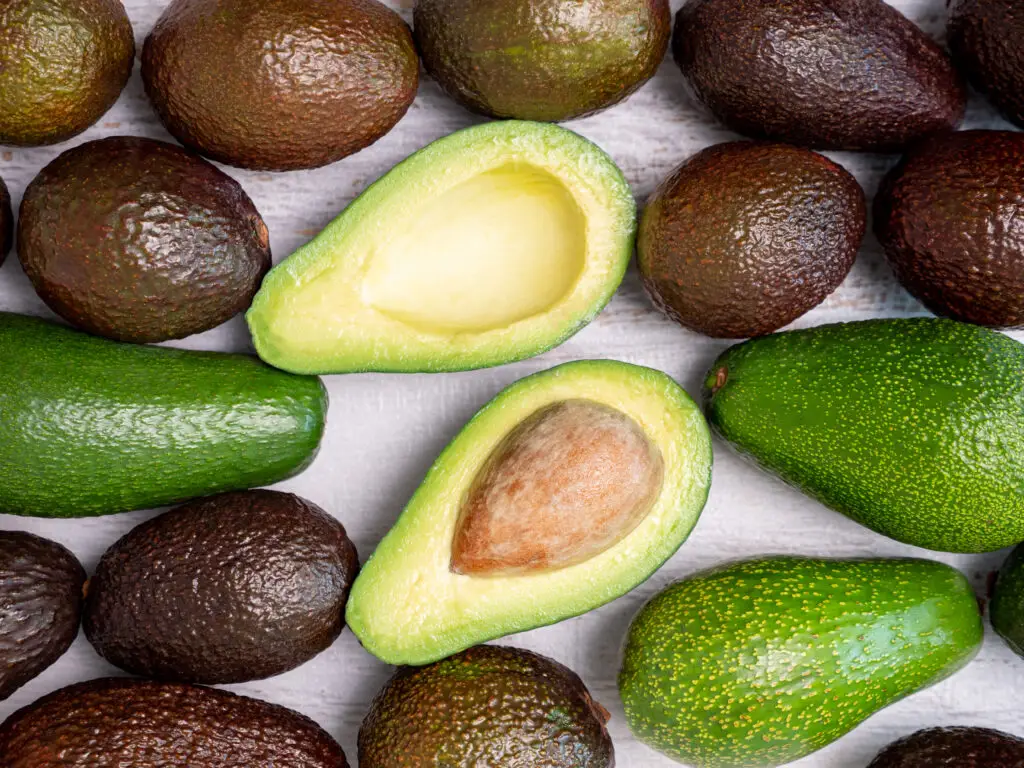
1. Avocados
Rich in healthy fats that support oestrogen and testosterone production, avocados also help reduce LDL cholesterol (the type that can build up in arteries when elevated) and reduce inflammation.
Tip: Keep half an avocado pre-sliced in your fridge to top toast, grain bowls, or even scrambled eggs for a quick boost that keeps you fuller for longer – perfect when you’re short on time.
2. Ground Flaxseeds
Packed with lignans (plant compounds that modulate oestrogen), omega-3s, and fibre, flaxseeds support hormone balance and heart rhythm.
Tip: Add a tablespoon to your breakfast routine – oats, yoghurt, or a smoothie. It’s a gentle way to support hormone balance and digestion without changing much at all.
3. Pumpkin Seeds
High in zinc and magnesium, both essential for hormone synthesis and stress regulation, pumpkin seeds also support blood pressure and immune resilience.
Tip: Keep a small jar in your handbag or desk drawer – a handful mid-afternoon can curb cravings.
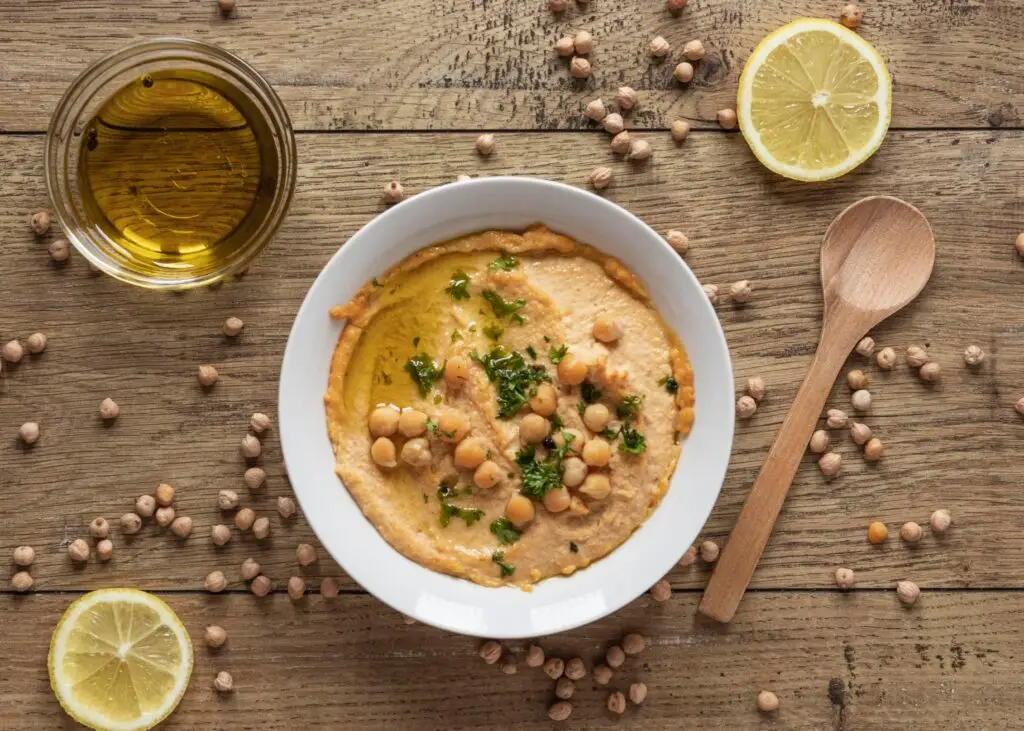
4. Chickpeas
A key source of plant protein, iron, and B vitamins. Chickpeas support mood regulation while benefiting heart health through their fibre content.
Tip: Cook a batch of chickpeas at the start of the week and store them in the fridge – they’re perfect for tossing into wraps, salads, or roasting with olive oil for a crunchy, satisfying snack.
5. Dark Leafy Greens
Spinach, kale and chard provide folate and magnesium – nutrients that calm the nervous system and support blood pressure control.
Tip: Toss a handful into soups, stews or stir-fries where the flavour blends in easily – it’s a simple way to boost nutrition without fuss.
6. Cold-Pressed Olive Oil
A Mediterranean staple for a reason. Rich in antioxidants and anti-inflammatory compounds, it helps absorb fat-soluble vitamins like D and E – crucial for hormone health.
Tip: Keep a small bottle on the table and drizzle a teaspoon or two over lunch or dinner – it’s a simple way to build a daily habit that supports your hormones over time.
7. Berries
High in polyphenols and vitamin C, berries protect hormone-producing glands from oxidative stress and help regulate blood sugar, a key factor in hormonal stability.
Tip: Add a handful of fresh or frozen berries to your breakfast – they’re an easy way to brighten up yoghurt, cereal or a smoothie. This simple daily habit may help stabilise energy levels and support long-term hormonal health.
8. Broccoli & Cruciferous Veg (like cauliflower, cabbage, and Brussels sprouts)
These veggies contain compounds that help the body safely process excess oestrogen – especially useful in PCOS or perimenopause.
Tip: Roast a tray of broccoli, cauliflower, and sprouts with garlic and olive oil – store any leftovers in a sealed container and enjoy cold in salads or gently warmed to preserve texture.
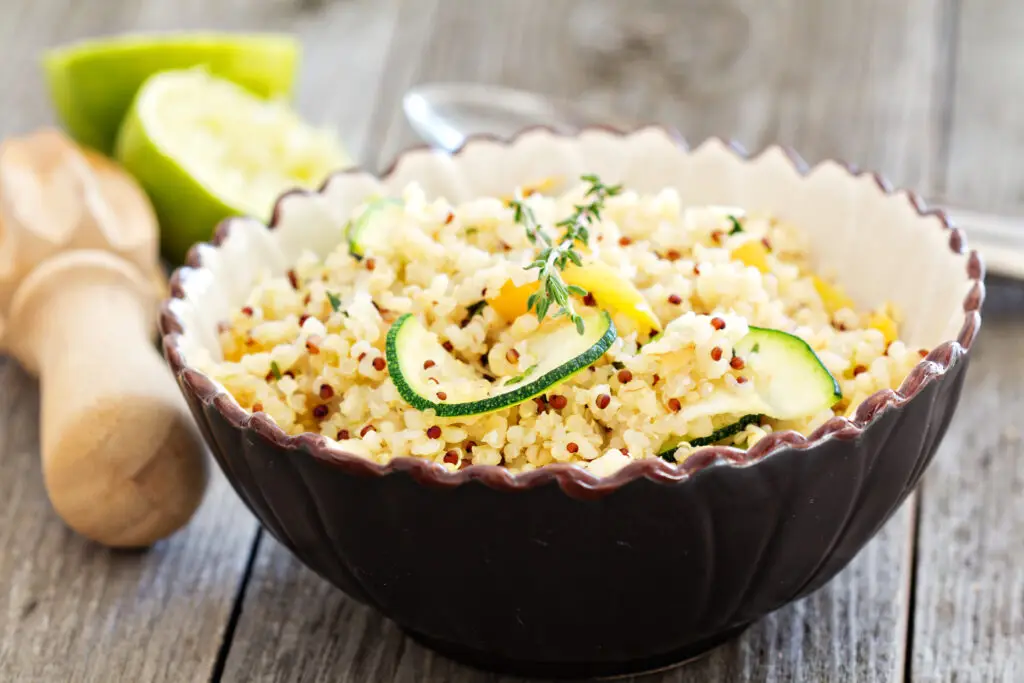
9. Quinoa
One of the few complete plant proteins. Rich in magnesium, it supports hormone and blood sugar balance, while fibre supports gut health (which plays a role in oestrogen regulation).
Tip: Try cooking a cup of quinoa at the start of the week and keep it in the fridge – it makes a quick base for salads and grain bowls.
10. Lentils
Contain iron, protein, fibre, and natural phytoestrogens. Lentils are ideal for those in perimenopause or after stopping hormonal birth control.
Tip: Cook extra lentils and keep them in the fridge – toss them into a veggie stir-fry or mix into pasta sauce when you need a fast, hearty boost.
11. Dark Chocolate (85%+)
Rich in flavonoids and magnesium, dark chocolate supports circulation, eases stress and supports mood – all of which impact your hormonal balance.
Tip: Stick to 20–30g a day (about two small squares). More than that can add excess sugar or caffeine, depending on the brand – enough to disrupt sleep or offset the benefits.
Why No Salmon?
Yes, salmon is a great source of omega-3s – ideal for hormone support and inflammation control. But in South Africa, wild-caught salmon is rarely available, and farmed options may contain additives and a less favourable fat profile.
Instead, try sardines, mackerel, or trout – nutritionally dense and more accessible.
Make Food Work for You
Feeling overwhelmed by where to start? You don’t need to change everything at once. Try these first steps:
- Use olive oil instead of seed oils
- Add a serving of greens daily
- Keep flax, seeds and lentils on hand for simple, supportive meals
FAQs – Foods for Hormone Balance
1. Can food really help balance hormones?
Yes. Nutrients from whole foods are used by your body to create, regulate, and break down hormones. What you eat also influences your gut, liver, and stress response – all key to hormonal balance.
2. What foods should I avoid?
Ultra-processed foods, refined seed oils, and hormone-disrupting additives can interfere with natural hormone rhythms. We help clients spot and reduce these in a practical way.
3. Do I need a blood test first?
You can start with food – but blood testing helps identify deficiencies, inflammation, or hormone imbalances that may not be obvious. It also guides you to the best foods for hormone balance for your individual needs.
4. How long until I notice a difference?
Some clients feel better in weeks, especially with improved energy or digestion. For others, it may take a few months. Your body responds best when changes are steady and consistent.

From Everyday Foods to Personalised Testing
Hormonal shifts and heart symptoms can often be overlooked – especially when they show up subtly. Maybe your energy feels unpredictable, or your sleep isn’t what it used to be. These small changes are often your body’s early signal that something’s shifting.
Our Essentials Package is designed for individuals who want to proactively screen their core health markers, including organ function and inflammation – a strong starting point if you’re noticing subtle shifts in your energy or well-being.
For those ready to explore more deeply, our Insight Package builds on this with advanced blood panels that include hormone, metabolic, and immune markers, alongside symptom mapping and a personalised Balance Plan.
It’s ideal for those seeking a deeper understanding of how diet, hormone levels, and cardiovascular health interact – and who want to use that insight to guide real, personalised change.
Have questions about our packages or ready to take the next step? Contact us to begin your journey.
